MLH - Major League Hacking
Major League Hacking
Hackathons only work when the people who run them are supported. I joined Major League Hacking — the official student hackathon league — as a Deputy Commissioner in 2017, working alongside student organizers as they planned and ran their events. My first was YHack at Yale, where students read the docs, troubleshot as they went, and blew me away.
The work was about those organizers: helping them learn from each other, helping students think bigger, and quietly automating the operations behind it all.
Supporting the people who run hackathons
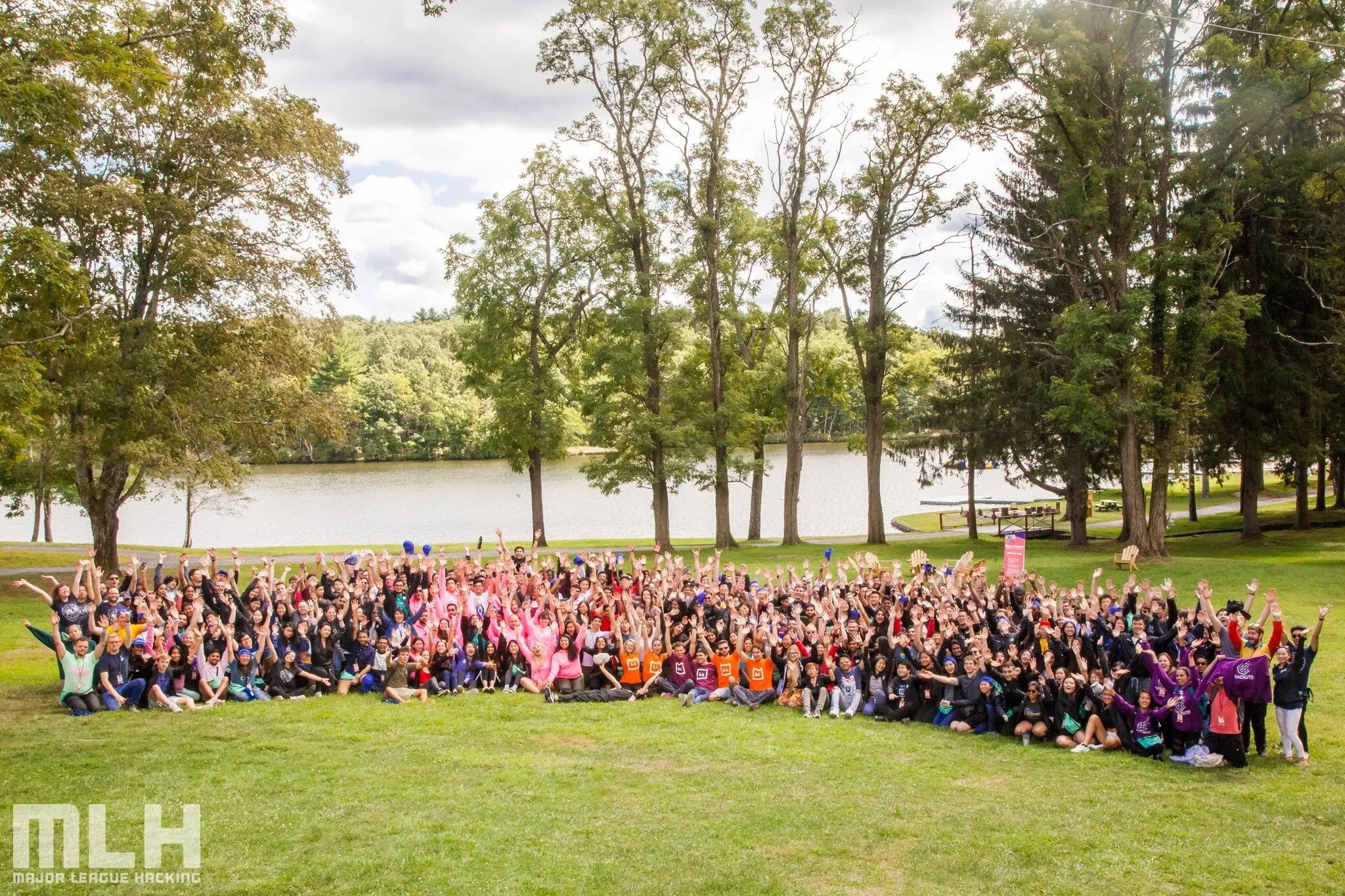
Hackcon is MLH’s conference for hacker community leaders. For Hackcon VI, I served on the planning team and selection committee, shaped the program around four themes, and coached speakers on sharing their expertise with fellow organizers. The same playbook carried into Hackcon Berlin, bringing the organizer community to Europe, and Hackcon VII at GitHub.
MLH Hackcon VI
2018 · planning team, selection committee, speaker coaching
Hackcon Berlin
2018 · Europe's organizer community
Hackcon VII
2019 · hosted at GitHub

Helping students build bigger
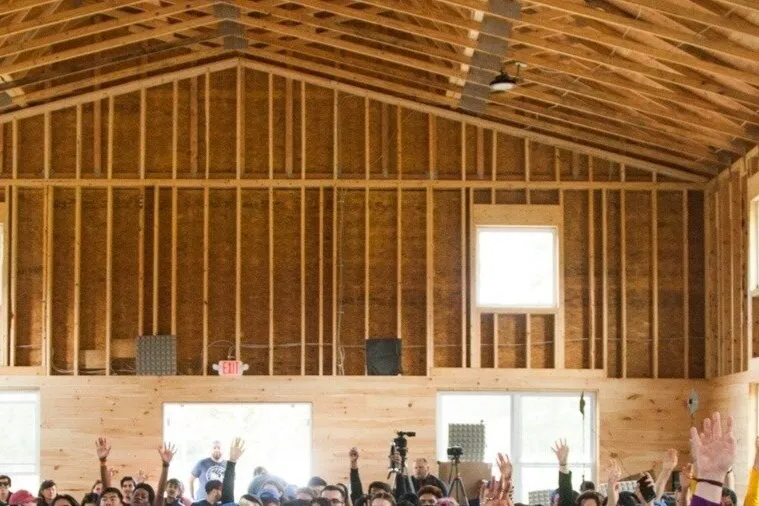
I closely advised the Minerva Hackathon at GitHub HQ, which asked students to build for the UN Sustainable Development Goals, and helped SacHacks — the first major intercollegiate hackathon in the Sacramento area — give local students a public venue to launch their ideas.
Minerva Hackathon @ GitHub HQ
2019 · Sustainable Development Goals
SacHacks
2018 · Sacramento's first intercollegiate hackathon

Sharing what works
Sponsors keep hackathons running, so the question is how to make that relationship meaningful, productive, and lasting. At Hackcon VI, Keeping Sponsors in the (for)Loop dug into exactly that: how teams delight sponsors, help them get what they pay for, and balance their goals with a great hacker experience — and crowdsourced the strategies that bring them back.
I also wrote for the community, from what it means to join the league to a guide on networking at hackathons — which, it turns out, is mostly just making friends.
Joining the Major League Hacking Team
MLH Stories · 2017
The Surprisingly Human Way to Network with Other Students @ Hackathons
MLH Stories · 2018
Making the operations run themselves
Behind every event is a lot of data entry. I turned organizer sign-ups into an automated pipeline, so the team spent its time on people instead of spreadsheets.
- TypeformOrganizers and attendees sign up once.
- Field mappingSurvey fields and unique IDs mapped to the CRM — including answer combinations and edge cases.
- ZapierMulti-step workflows route each response to the right place.
- Zoho CRMClean, up-to-date records, refreshed on a schedule.