Creators' Clubhouse
Creators’ Clubhouse
In 2014, feeling like I wanted to do more to help people, I moved back home to Charleston, South Carolina and, that summer, launched Creators’ Clubhouse: “an employment network for the Lowcountry’s Creative Community.” With a job board, a blog and a calendar of events, it was really a small local media company. It was my first company, my first real product, and, looking back, the start of everything I’ve done since.
The problem
Creative freelancers in Charleston couldn’t find local work, and local businesses couldn’t find local creatives. Everyone was stuck on Craigslist, which felt like a treasure hunt without a map, or competing on global freelance marketplaces that drove rates to the floor and made local talent invisible.
What we were about
From our original mission:
The Creators’ Clubhouse is dedicated to empowering Charleston’s creative economy and furthering the success of local makers, producers, artisans, and storytellers by providing employment information, career resources, education, events, and networking opportunities. We aim to make the lives of local employers easier by streamlining the hiring process and creating a more robust database of information on who does what and who does it best.
The rallying cry was simple: skip generic job boards like Craigslist, and help the area develop and keep “Home Grown Opportunity.”
How it worked. We offered employers four things, at a range of budgets:
- The Corkboard: an affordable, curated job board for part-time, full-time, internship and entry-level creative roles. It drew about 700 page views a week from candidates, and local employers such as Pink Verbena Domestics, Turnkey Creative and Obviouslee Marketing listed with us.
- Specialty recruiting: tell us who you’re looking for, and we’d find them.
- Events: #FreelanceFridaysCHS, workshops, happy hours and seminars, where employers could meet job-ready talent.
- Sponsorship and branding: a way to reach Charleston’s creative hub online and in person.
Who it served. A patchwork of creatives, mostly 25 to 34: makers, producers, artisans, freelancers and storytellers working in graphic design, marketing, writing, arts administration and more, with interests from music and film to technology, blogging and interior design.
Community first
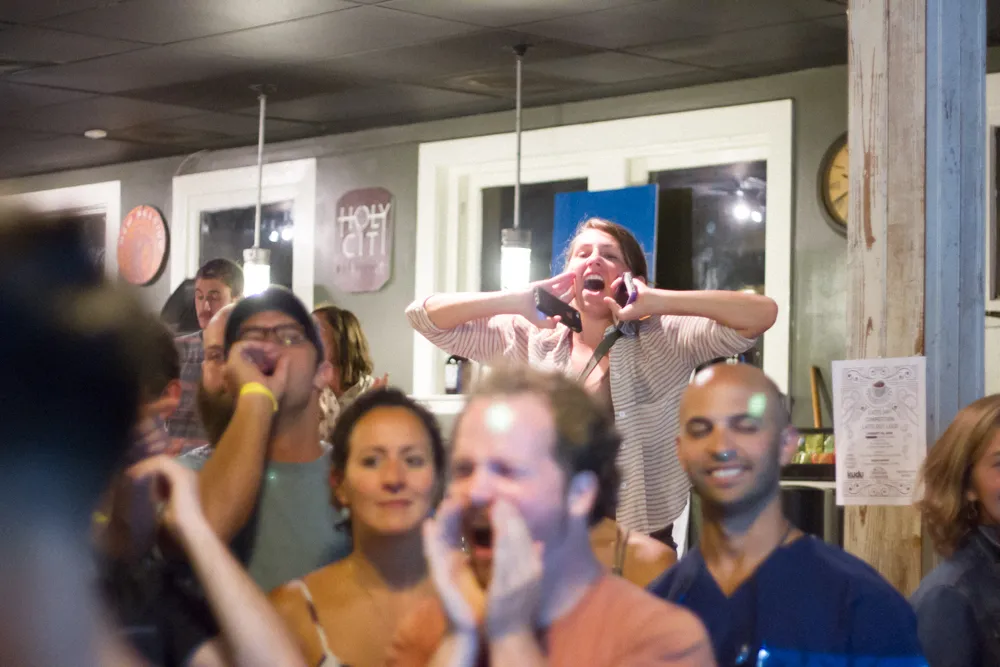
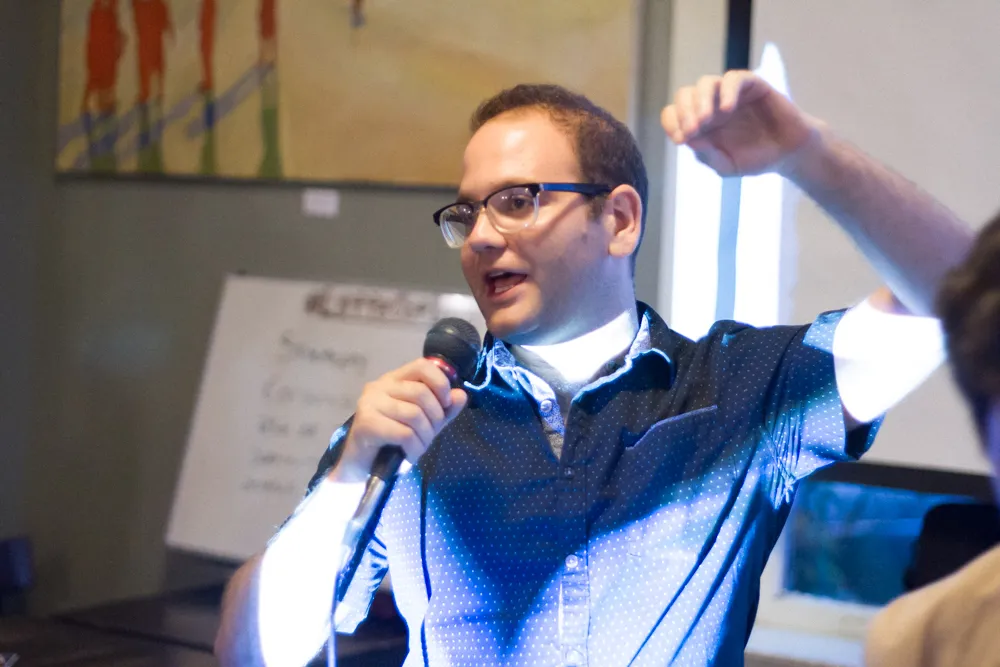
Before the website, there were people. We wanted to salute Charleston’s creative types, the people who produce the content and create the culture everyone enjoys, and help newcomers build a network and get a foothold. So Creators’ Clubhouse offered career resources and networking, mostly in person, for a fast-growing community of creative professionals. One of our most successful events was a latte art competition (what can I say, I love coffee). The organization helped a lot of people find roles, and find meaning in their work.
A local media company, basically
The job board needed a reason to come back between job searches, so we built a blog for the Lowcountry’s creative community, written with a small team of contributing writers. In the summer of 2015 alone it ran:
- Business profiles of local companies, from Blue Bicycle Books to the startup Teamphoria.
- Creative profiles, like musician Charles Carmody on music and mission, Victoria Boynton on drive, passion and creativity, and Lee Deas of Obviouslee Marketing.
- Career tips for freelancers and employers: five tips for the perfect cover letter, a job-search checklist, finding summer interns, The Freelancer’s Guide to Crushing It at Conferences, and The Freedoms of Freelancing.
- Local coverage and conversations, from lessons learned at the DIG SOUTH tech festival to the Creative Jobs Conversation Project, plus artist profiles like freelance photographer Zheng Hwuang Chia.
- Freelance Friday, a regular meetup for the city’s freelancers, plus a local-music summer playlist.
I wrote for it too, starting in October 2014 with 6 Creative Takes on Tapping Innovation, drawing on SUCCESS magazine.
Job listings brought people in; stories and events gave them a reason to stay. It was my first content program, with a publishing calendar, contributors to coordinate, and a community that showed up because the stories were about them.
Then the platform
The bigger idea was a digital “cork board” where local businesses could post creative work and local creatives could find it, a marketplace connecting clients and freelancers within the community.
I had one HTML class behind me. No backend experience, no database knowledge. But the product needed accounts, listings, payments, messaging and search. So I made the first real product decision of my career: I forked Sharetribe, an open-source Ruby on Rails marketplace with 62 data models, payments, search and messaging already built, and learned by changing it until it did what Charleston needed.
That meant learning Rails, Heroku and Amazon Web Services the hard way: reading model files to understand how listings related to users, tracing what happened when someone clicked “post a listing,” and pushing to Heroku and watching things break, over and over. I still remember finally fixing a line of JavaScript that was holding up our launch date, and dancing around the room.
What happened
Creators’ Clubhouse ran for a while. It had users, real listings and a community that showed up. But it hit the classic small-market marketplace problem: not enough supply and demand on either side to keep the flywheel spinning without constant effort. I was the sales team, the engineering team, the support team and the community manager. That doesn’t scale, and despite my best entrepreneurial enthusiasm, the numbers didn’t work out. One of the blog’s last stories was the farewell post: End of an Era, Leaving Charleston, Next Chapter.
What it taught me
- A working product isn’t the same as a viable business. Distribution can be harder than engineering, and go-to-market matters as much as architecture.
- Know what’s yours to build. Payments, search and messaging weren’t what made Creators’ Clubhouse valuable; the local curation and community were. That build-vs-buy instinct still guides every tool choice I make. The tools change; the decision framework doesn’t.
- Community and code belong together. Talking with users about what they need, then making a complex system do it, turned out to be the exact mix that led me into developer relations, from Major League Hacking to Google, Adobe and Amazon.
The longer version of this story, and what a decade of “vibe-building” taught me, is in the post below.